
Before booking lawn care in Waterloo, IA, start by defining what you expect the service to cover. Some homeowners use “lawn care” to mean mowing. Others mean weed control, fertilization, seasonal cleanup, turf repair, or replacing bare areas. Those are different scopes, and a useful first conversation should make the distinction clear.
Matthias Landscaping Co.’s scheduled lawn service is centered on mowing at an appropriate height, string trimming, edging, and clearing clippings from hard surfaces. The company also handles broader landscaping, sod, hydroseeding, and property improvements when a lawn needs more than routine maintenance. For Waterloo properties, that distinction matters: thin turf may be a mowing issue, but it can also point to shade, compacted soil, drainage, construction disturbance, or a worn traffic path.
A Quick Lawn Care Booking Checklist
Before choosing a schedule, confirm the details that affect both the finish and the fit:
- Whether mowing, string trimming, edging, and hard-surface cleanup are included
- How visit frequency and cutting height change with growth and weather
- Whether gates, pets, irrigation heads, wet areas, or other obstacles need special instructions
- When bare or damaged turf should be evaluated for sod, hydroseeding, or a broader landscape solution
What Is Included in Each Lawn Care Visit?
Ask for the visit checklist before comparing schedules or prices. A clean mow can look unfinished if tall grass remains along fences, tree rings, mailbox posts, bed borders, or patio edges. Clippings left across the driveway and front walk create another cleanup task for the homeowner.
Matthias Landscaping describes its regular mowing visit as four connected steps: mowing, string trimming around obstacles and beds, edging along sidewalks and driveways, and blowing clippings from hard surfaces. Confirm whether your property has any areas that need special attention, such as a fenced side yard, a narrow gate, play equipment, steep grade changes, or several small lawn sections separated by landscape beds.
How Often Will the Lawn Be Mowed?
Waterloo’s cool-season lawns do not grow at one steady rate from spring through fall. Growth can move quickly during the cooler, wetter part of spring, slow in summer heat or dry weather, and become more active again when early fall temperatures moderate. That makes frequency a better conversation than simply asking for a fixed day forever.
Ask whether weekly or bi-weekly service fits the property, and how the schedule responds when growth speeds up, slows down, or rain delays a visit. Regular mowing helps avoid removing too much of the grass blade at once. It also produces shorter clippings that can be managed more cleanly. If the lawn is already overgrown when service begins, ask what the first cut will involve and whether the ongoing schedule should change afterward.
What Cutting Height Will Be Used?
A very short cut may look tidy for a day, but cutting lower is not automatically better for the turf. Matthias Landscaping’s lawn care page identifies a 3- to 3.5-inch range during the growing season for the cool-season grass varieties common in the Cedar Valley, with seasonal adjustments at the beginning and end of the mowing year.
Cutting height affects how much leaf surface remains, how well the lawn shades its soil, and how it handles summer stress. Ask whether the height will be adjusted for current conditions rather than chosen only for appearance. It is also worth asking how mower blades are maintained; a clean cut leaves a sharper grass tip, while torn ends can give the lawn a dull or brown cast after mowing.
Will Clippings Be Mulched or Bagged?
Homeowners often assume bagging is the cleanest default, but short clippings from a regularly maintained lawn can usually be mulched back into the turf. The pieces settle between the grass blades and break down instead of becoming a visible layer on top.
Bagging becomes more relevant when grass has grown long enough that the clipping volume could clump or mat over the lawn. A homeowner may also simply prefer a bagged finish. Ask what the normal approach is, when the crew changes that approach, and whether any clippings will be removed from the property. The answer should match the actual condition of the grass on mowing day.
Does the Property Have Access or Obstacle Issues?
Service reliability depends partly on how easily the crew can move through the property. Before booking, note gate widths, locked fences, pets, irrigation heads, downspout extensions, low landscape lighting, exposed tree roots, children’s equipment, and small decorative items near the turf. These details affect both equipment access and the amount of trimming required.
Also identify soft areas that stay wet after rain. Mowing saturated ground can leave ruts or compact the soil, and a low area that repeatedly holds water may need more than a schedule adjustment. If water movement is a recurring concern, include it in the initial request so the team can consider whether the lawn issue connects to grading or a broader landscaping need.
When Does a Lawn Need More Than Routine Mowing?
Mowing maintains existing grass; it does not create healthy turf where the underlying conditions keep working against it. A recurring bare patch may be caused by heavy shade, pet traffic, compacted soil, drainage, deicing salt near a walk, or disturbance from a recent patio, retaining wall, or utility project. Repeatedly seeding the same spot without addressing the cause may only repeat the problem.
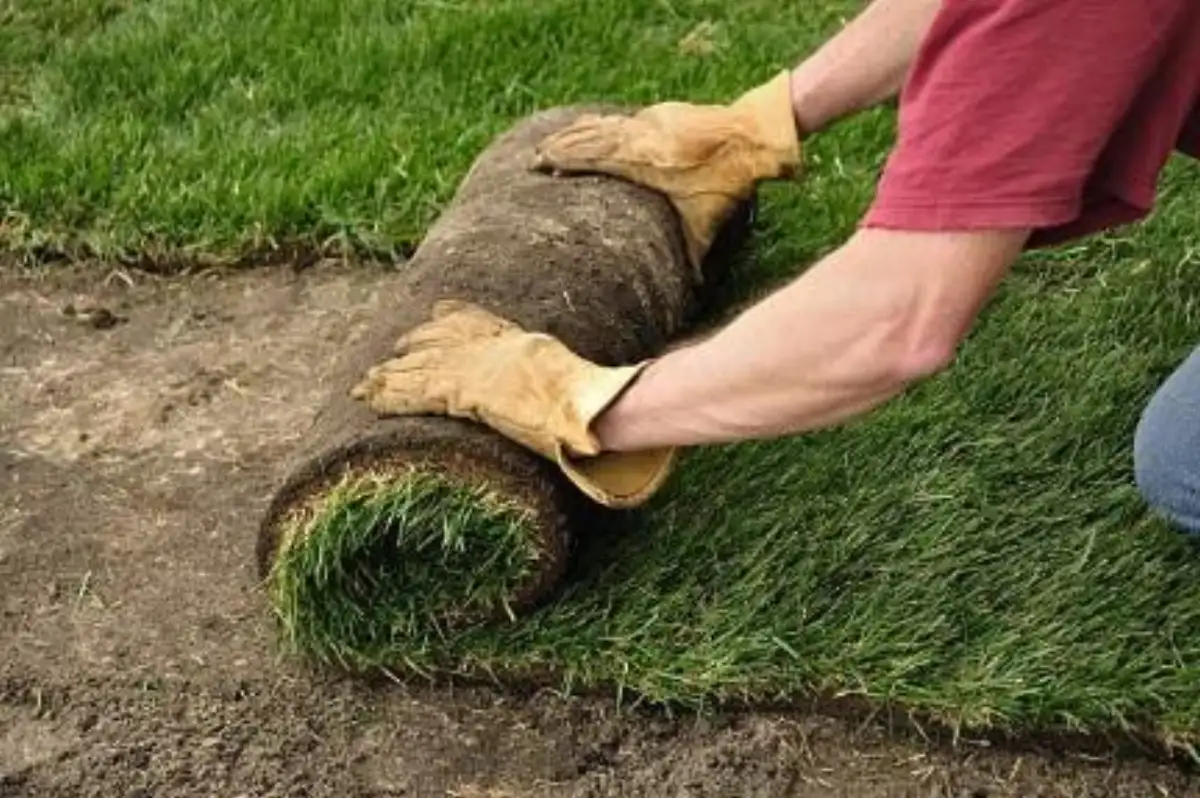
For larger bare or disturbed areas, ask whether sod installation or hydroseeding is the better fit. Sod creates an immediate turf surface after proper soil preparation, while hydroseeding may suit a larger prepared area. The right recommendation depends on the size of the repair, soil condition, slope, water access, timing, and how quickly the area needs to be usable.
Can Lawn Care Be Coordinated With the Rest of the Property?
The lawn does not stop at the mower line. Bed edges, mulch depth, low branches, walkway borders, patio transitions, and new plantings all affect how efficiently the property can be maintained. If you are also considering seasonal cleanup, bed renovation, mulch, drainage work, or a larger landscape project, mention it before the mowing plan is set.
Coordinating the work can prevent conflicts. Fresh sod should not be routed through as equipment access for a later hardscape phase. New bed lines should leave practical mowing paths. Drainage corrections should happen before a damaged lawn is replaced. A full-property conversation helps decide what belongs in routine maintenance and what should be handled as a separate improvement.
What Should You Confirm Before Service Starts?
Before you approve a lawn care schedule, make sure both sides understand the service address, start window, mowing frequency, included visit tasks, gate or pet instructions, obstacle locations, and how weather-related schedule changes will be communicated. Ask whether the first visit differs from a normal maintenance visit if the grass is already tall or the edges need to be re-established.
Photos can help show narrow gates, wet areas, overgrowth, or sections that are difficult to describe. For a Waterloo property, use the full contact page form to share the address, lawn condition, service needs, preferred timing, and gate, pet, or equipment-entry details. That gives Matthias Landscaping enough context to determine whether the request is routine lawn care or a larger turf and landscape project.
FAQ: Waterloo Lawn Care Before Booking
What should a Waterloo lawn care visit include?
Confirm whether each visit includes mowing, string trimming around obstacles and bed edges, edging along hard surfaces, and blowing clippings from sidewalks, driveways, patios, and porches. Matthias Landscaping lists those steps as part of its scheduled mowing service.
How often should a Waterloo lawn be mowed?
Frequency should follow growth and weather rather than the calendar alone. Waterloo lawns often grow fastest in spring, slow during hot or dry summer periods, and pick up again as early fall temperatures cool. Ask how the schedule responds to actual conditions.
Should grass clippings be bagged or left on the lawn?
Short clippings from regularly mowed grass can usually be mulched back into the lawn. Bagging may make sense when growth is excessive and the clipping volume could mat over the turf, or when a property owner prefers a bagged finish.
When does a lawn need more than mowing?
Repeated thin spots, standing water, compacted soil, heavy shade, construction damage, or broad bare areas may call for drainage or soil correction, sod, hydroseeding, or a wider landscape plan. Mowing can maintain healthy turf, but it cannot correct every underlying site problem.
Ready to discuss lawn care for your Waterloo property? Contact Matthias Landscaping Co. with your address, service needs, preferred timing, and any gate or equipment-entry details so the team can review the request and recommend the right next step.