
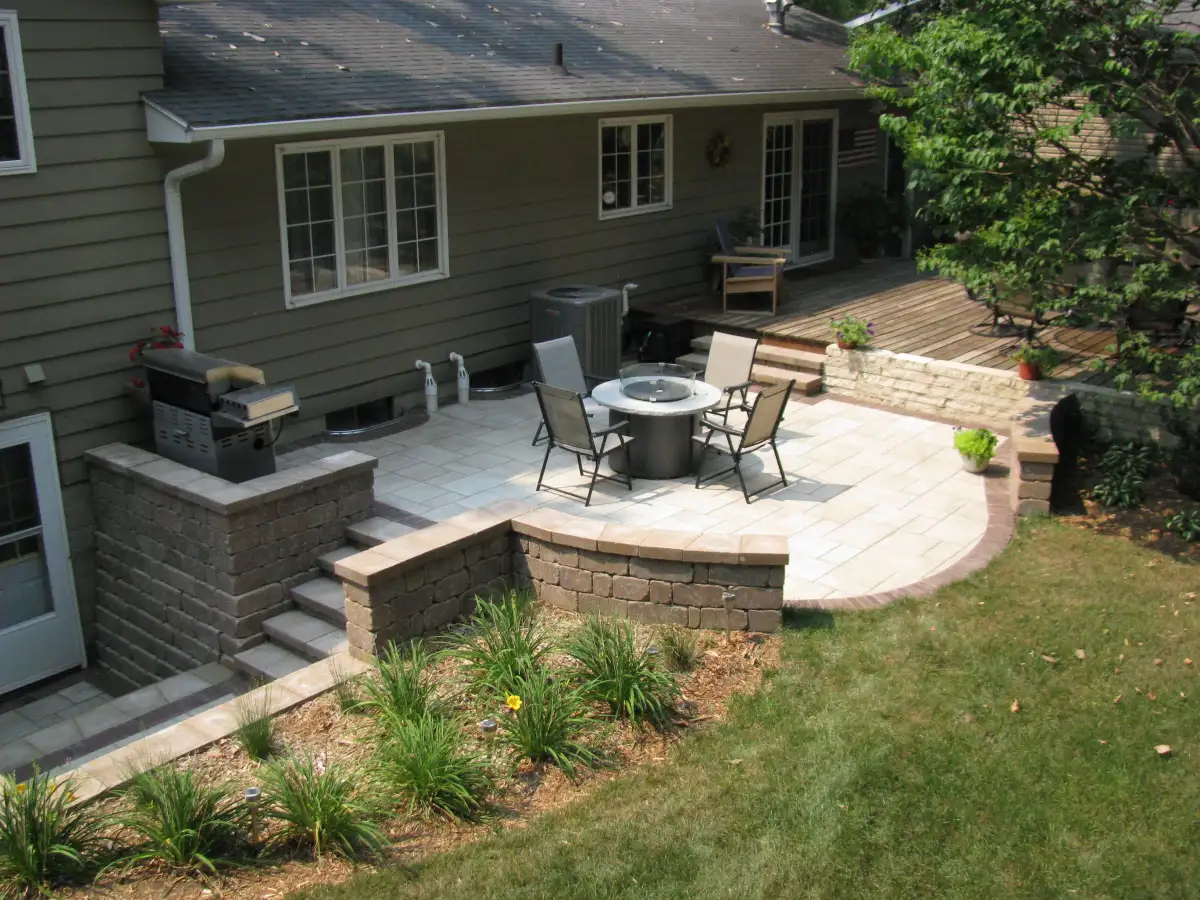
Searching for landscaping in Waterloo, IA can lead to very different kinds of work. One property may need new planting beds and mulch. Another may need grading, a patio, a retaining wall, lighting, and new turf planned as one project. Before booking, make sure the first conversation defines the problem and the full scope—not just the most visible finish.
That is especially useful for Waterloo properties, where snowmelt, spring rain, freeze-thaw cycles, mature trees, existing grades, and equipment access can all influence a recommendation. The questions below help homeowners compare options, understand an estimate, and avoid finishing one area only to disturb it during the next phase.
1. What Should the Finished Yard Do Better?
Begin with the outcome. Do you need a safer path to the door, more usable space for a table, better privacy, fewer muddy areas, a cleaner front entrance, easier lawn maintenance, or a place for cooking and gathering? A short list of priorities gives the site visit a useful direction.
Then separate the must-haves from future ideas. A front-yard refresh may focus on bed shape, plants, mulch, and edging. A backyard plan may connect patio installation, steps, a retaining wall, planting beds, lawn repair, and landscape lighting. Even if the work will be phased, naming the longer-term goal helps prevent layout conflicts.
2. Does Water or Grade Need Attention First?
Ask how water moves across the property before choosing plants or surface materials. Note where water collects after rain, where downspouts discharge, whether mulch washes out, and whether soil slopes toward the house, a walkway, or a neighboring lot. Photos taken during or shortly after a rain can be helpful because a dry-day visit may not show the whole pattern.
Drainage and grade affect more than puddles. They influence plant health, lawn establishment, patio base performance, wall design, and where snowmelt travels. If corrections are needed, they should be coordinated before planting beds, sod, or hardscape edges are finished. The goal is not to choose a decorative solution for a site-condition problem.
3. Is This a Simple Installation or a Design Project?
Not every project needs a formal plan. Replacing a few shrubs or refreshing one defined bed may only require a site review, plant choices, quantities, and a clear written scope. A connected project benefits from landscape design when decisions about dimensions, elevation, circulation, materials, planting, lighting, and future phases affect one another.
Ask what the planning deliverable will show and which choices must be settled before work begins. Matthias Landscaping uses custom 2D design plans for projects that need that level of coordination. A useful plan should make the relationships clear: where the patio ends, how steps meet the grade, where beds begin, how people move through the yard, and which areas remain available for lawn, trees, or later additions.
4. What Exactly Is Included in the Estimate?
A landscaping estimate is easier to compare when the scope is specific. Look for the size or quantity of the work, removals, grading, soil or base preparation, materials, plant counts and sizes, edging, mulch, cleanup, lawn repair, and any work that is intentionally excluded. If an allowance is used for a material or plant selection, ask what it covers.
Site access matters too. Narrow gates, fences, steep slopes, overhead branches, septic areas, irrigation, utilities, and limited staging space can change how the work must be completed. Share those details early. Comparing only the final number can hide important differences in preparation, quantities, and finish work; comparing the written scope shows whether two estimates are actually describing the same project.
5. How Will Materials and Plants Fit the Property?
Materials should be considered in the context of the house, the site, maintenance preferences, and Iowa weather. For a patio or wall, ask about the proposed material, base preparation, edge details, drainage, and how the new work will meet doors, steps, walks, and lawn. For planting, discuss sun, shade, mature size, spacing, seasonal interest, and how much pruning or cleanup you want to manage.
It is also worth looking beyond the first season. A young tree needs room to mature. A bed beside a walkway should not become a constant pruning problem. A patio should leave comfortable circulation around furniture. Tree planting, planting beds, lighting, and hardscaping work best when their future size and use are considered together.
6. What Order Should the Work Follow?
Ask which parts require heavy equipment, excavation, or repeated access. Grading and drainage usually need to be resolved before new turf. Patios and walls should be built before delicate planting next to them. Lighting wire is easier to coordinate before beds and lawn edges are complete. If an outdoor kitchen may be added later, the layout should preserve appropriate space and access now.
Project sequence also affects lawn repair. Equipment traffic and soil work can disturb grass even when the lawn is not the main project. Confirm whether affected areas will receive seed, sod, or hydroseeding, and what preparation is included. If thin turf is caused by shade, compaction, or water movement, the underlying condition may need attention before new grass is installed.
7. How Will Timing and Phasing Be Handled?
Waterloo landscaping schedules are influenced by project size, weather, ground conditions, plant availability, material lead times, and design decisions. Ask which selections are needed to hold the project together and which details can wait. If you have an event or other target date, share it at the beginning rather than after the scope is approved.
For phased work, protect the first phase from the next one. Permanent items such as drainage, grade, major walls, patio layout, and equipment access are harder to revise later. Secondary planting areas, some lighting zones, or other finish details may be easier to add after the core plan is established. A well-sequenced plan lets each phase support the finished yard.
You do not need a finished design before reaching out. When you are ready, send Matthias Landscaping your Waterloo project details or call (319) 226-6000. Include the property address, the areas involved, the main problems you want to solve, preferred timing, and any known drainage or access concerns. That gives the team a practical starting point for the consultation.
FAQ: Waterloo Landscaping Before Booking
What should I ask before booking landscaping in Waterloo, IA?
Ask what is included in the scope, whether grading or drainage should be addressed first, which parts need a design plan, how materials and plants will be selected, what site preparation is required, how the work will be sequenced, and how disturbed lawn areas will be repaired.
When does a Waterloo landscaping project need a design plan?
A design plan is especially useful when several elements must work together, such as a patio, retaining wall, planting beds, lighting, drainage, lawn repair, or a future outdoor kitchen. A smaller bed refresh or isolated planting may need a simpler site review and written scope.
What affects a landscaping estimate?
The size of the work area, access, removals, grading, drainage, base preparation, material and plant selections, utility or equipment constraints, lawn repair, and project phasing can all affect the scope. Compare what each estimate includes rather than comparing only the final number.
When should I contact a Waterloo landscaper?
Contact a landscaper once you can describe the main problem, the areas involved, your preferred timing, and any known drainage, access, or future-project concerns. Early planning is helpful for larger projects because weather, materials, design decisions, and project sequence can affect the schedule.
Ready to discuss landscaping for your Waterloo property? Contact Matthias Landscaping Co. with the address, project goals, preferred timing, and any drainage or access concerns so the team can review the request and plan the next step.